Equipment Appraisal Services in Alberta: Valuing Farm & Industrial Machinery
A combine parked in a Lethbridge County shed and a CNC lathe on a Calgary shop floor don’t have much in common, except that someday someone will need to know exactly what each is worth. Maybe you’re refinancing, selling, settling an estate, or updating insurance. Whatever the reason, professional equipment appraisal services replace guesswork with a number you can defend.
Agriculture, energy, and manufacturing drive much of Alberta’s economy, so machinery often makes up a large share of a business’s total assets. Yet many owners still judge its value from a dealer’s rough estimate or an online listing. This guide explains how equipment appraisal services work, what shapes the value of farm and industrial machinery, and how to find a provider you can trust.
Understanding Equipment Appraisal and When Your Business Needs One
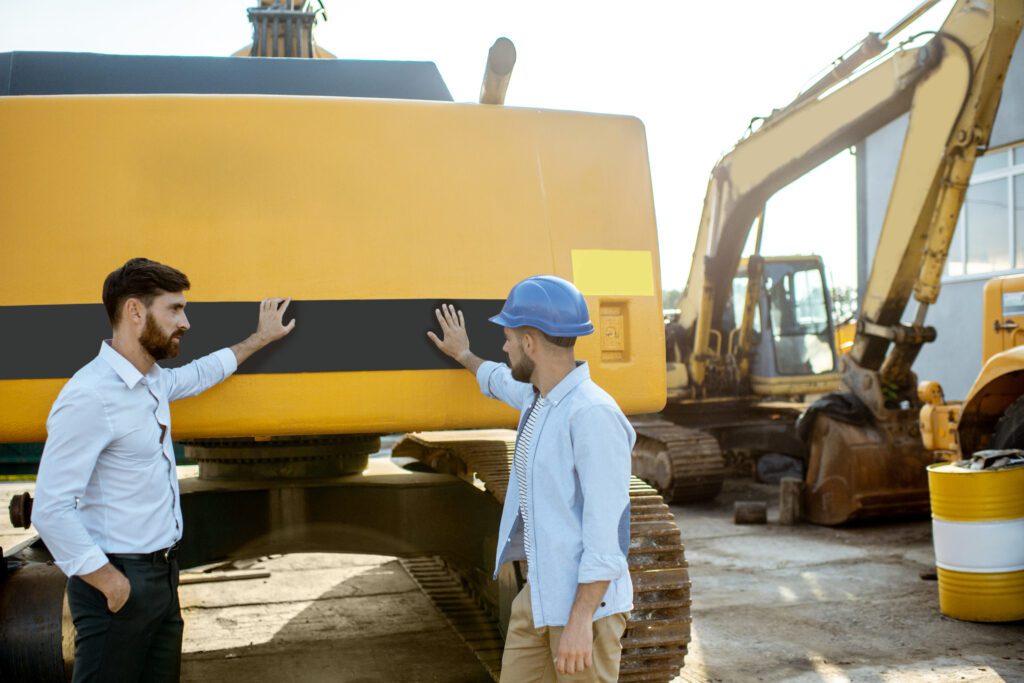
An equipment appraisal is an independent, documented opinion of value prepared by a qualified professional. A sales quote or trade-in offer comes from someone with a stake in the deal. A formal appraisal of equipment doesn’t: the appraiser gains nothing whether the number comes in high or low.
Businesses and individuals across Alberta turn to equipment appraisal services for many reasons:
- Financing and lending: Banks and credit unions often require an appraisal before accepting machinery as collateral.
- Buying or selling: An objective value helps both parties negotiate fairly.
- Insurance coverage: An accurate replacement value keeps you from being underinsured after a loss.
- Estate planning and succession: This is especially common when a family farm passes to the next generation.
- Divorce, partnership dissolution, or litigation: Lawyers and courts expect credible, well-supported valuations.
- Tax and accounting: Asset transfers, donations, and depreciation schedules may all require documented values.
“Value” isn’t a single figure, either. Depending on the purpose, equipment appraisal services may report:
“Value” isn’t a single figure, either. The same tractor can be worth three very different amounts on the same day, depending on the question being asked. Depending on the purpose, equipment appraisal services may report:
Fair market value: what a willing buyer and a willing seller would agree on, with both parties informed and neither under pressure to act. This is the most commonly requested figure and the one usually needed for sales, insurance, estate planning, and tax purposes.
Fair market value in place: the value of equipment installed and operating as part of a working business, including the cost of installation and setup. Lenders financing an entire operation often want this figure, since a production line is worth more running than it is sitting on a flatbed.
Orderly liquidation value: what the asset would bring if sold over a reasonable marketing period, typically six to twelve months, with the seller choosing the timing. It’s normally lower than fair market value because the sale is still, at bottom, a liquidation.
Forced liquidation value: what the equipment would fetch at a quickly advertised auction, often within 60 to 90 days. This is the most conservative number, and it’s the one lenders lean on when assessing worst-case recovery on collateral.
A fourth figure, replacement cost new, sometimes enters the picture too. It’s what you’d pay to buy comparable equipment today, and insurers often use it when setting coverage limits rather than any of the market-based values above.
The gap between these numbers isn’t small. A combine at $300,000 fair market value might carry an orderly liquidation value closer to $240,000 and a forced liquidation value near $180,000. Choosing the wrong one can mean an underinsured fleet or a loan application that stalls because the lender expected a more conservative basis. Talk this through with your appraiser at the outset. Knowing which value you need before the inspection begins saves time, money, and the cost of a second report.
Farm Machinery Appraisal: The Factors Behind Your Equipment’s Value
Alberta’s farm economy runs on iron: tractors, combines, air seeders, sprayers, swathers, and grain handling systems. A farm machinery appraisal looks well beyond the model year. Here’s what an appraiser examines:
Hours and usage: Engine and separator hours on a combine can swing its value by tens of thousands of dollars.
Maintenance history: Documented service records show that a machine has been cared for.
Wear components: Tires, tracks, belts, and cutting parts get close inspection.
Technology and attachments: GPS guidance, auto-steer, and precision-ag packages can add real value, while outdated systems may take some away.
Market timing: Demand for seeding and harvest equipment rises and falls with the seasons and commodity prices.
Regional demand: A machine suited to large dryland operations may sell differently in the Peace Country than in the irrigated districts near Taber.
Farm assets are specialized, so the best equipment appraisal services pair a hands-on inspection with recent Western Canadian auction results and dealer data, not just national price guides. A tractor’s value in Saskatoon or Ontario isn’t always its value in southern Alberta.
Industrial Machinery Appraisal: Putting a Number on Production Equipment
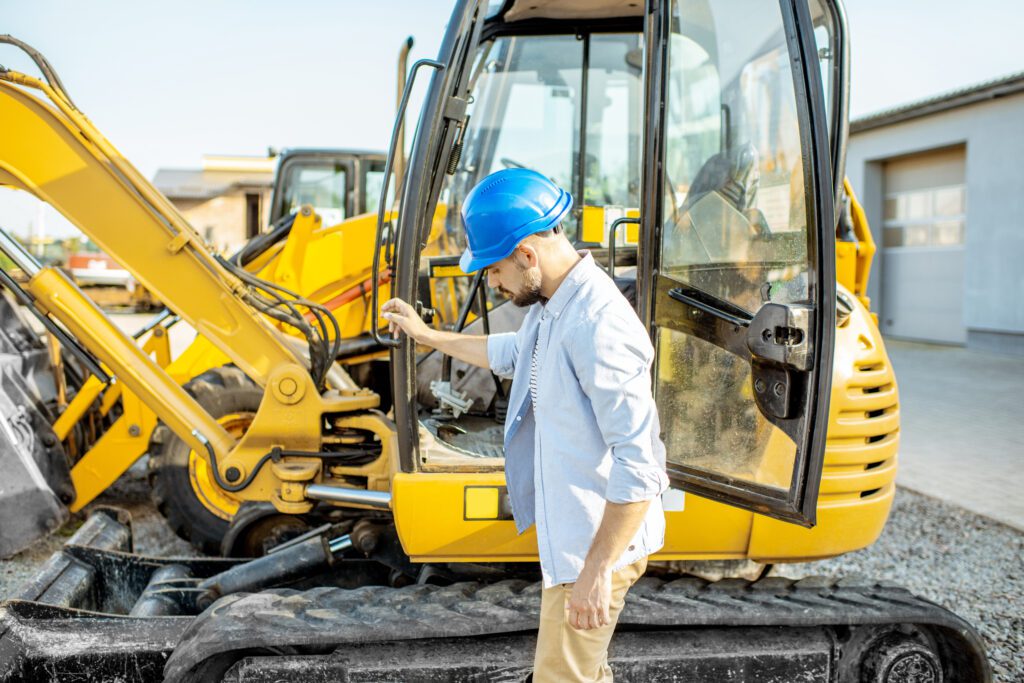
Industrial settings bring different challenges. An industrial machinery appraisal might cover a single press brake or an entire fabrication shop, oilfield service fleet, or food processing line.
In these settings, appraisers weigh factors such as:
- Installation and integration. Machinery that’s wired, plumbed, and anchored into a working production line is often valued “in place,” typically higher than the same equipment pulled out and sold on its own.
- Obsolescence. Value erodes when newer, more efficient technology arrives or when an industry downturn cuts demand.
- Specialization. Custom-built equipment may be worth a lot to its current operation but have a thin resale market.
- Energy sector cycles. In Alberta, oil and gas activity directly affects the value of drilling, trucking, and service equipment.
When a lender or buyer is assessing a whole operation, equipment appraisal services usually produce a detailed asset listing with a value for each item. That record stays useful for insurance and accounting long after the deal closes.
The Case for a Certified Machinery & Equipment Appraiser
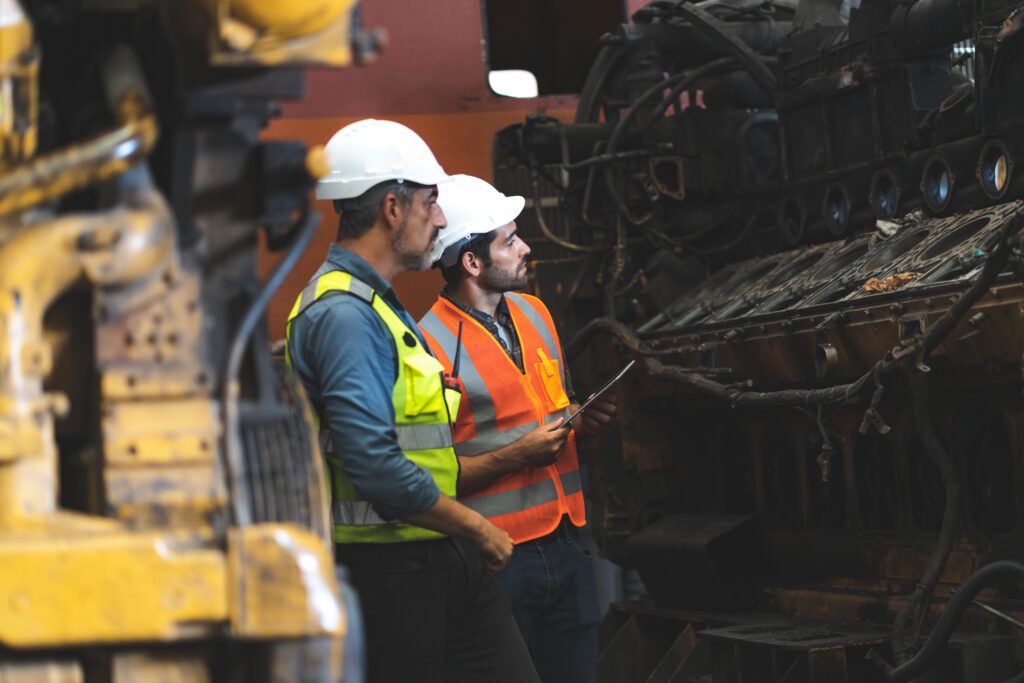
Anyone can guess what a loader is worth. Only a certified equipment appraiser can give an opinion that holds up under scrutiny from a lender, auditor, insurer, or judge. In Canada, that credibility comes from the Canadian Uniform Standards of Professional Appraisal Practice, better known as CUSPAP. Published by the Appraisal Institute of Canada (AIC), CUSPAP is mandatory for AIC members and includes a dedicated Machinery and Equipment Appraisal Standard alongside its standards for real property, review, and consulting work. The standard sets out specific rules for how an appraiser inspects assets, selects comparables, discloses assumptions, and reports conclusions.
Credentials matter just as much. AIC-designated members carry the AACI or CRA designation, and appraisers practising in Alberta are regulated through the AIC’s provincial affiliate. Some machinery specialists also hold designations from the American Society of Appraisers (ASA), which are widely recognized on both sides of the border.
Working with a qualified machinery & equipment appraiser gives you:
Independence: no commissions, no auction consignment interest, and no conflicts.
Defensibility: a clearly reasoned report that shows exactly how the value was reached.
Sound methodology: the cost, sales comparison, and income approaches applied correctly.
Wider acceptance: Farm Credit Canada, ATB Financial, AFSC, credit unions, and the chartered banks all give more weight to credentialed work, and so do Alberta courts.
Compliance: reports prepared to CUSPAP requirements, with professional liability coverage behind them.
Cutting corners here can cost far more than the appraisal fee. Uncertified equipment appraisal services can lead to a rejected loan application, an insurance shortfall at claim time, or a CRA challenge during an estate or intergenerational farm transfer. Certified equipment appraisal services protect you on every front.
A note on the facts behind this: CUSPAP is published by the Appraisal Institute of Canada, compliance is compulsory for all professional services assignments, and its standards include a distinct Machinery and Equipment Appraisal Standard. That standard was added in 2016, and the current edition, CUSPAP 2026, applies to assignments completed on or after April 1, 2026. If Property DNA holds particular designations such as AACI, it’s worth naming them directly in this section, since specific credentials build far more trust than general references to certification.
Choosing the Right Machinery Appraisal Company for Your Needs
Machinery appraisal companies vary widely in quality. Before you hire one, work through this checklist:
- Ask about credentials. Confirm the appraiser’s designations and which standards the report will follow.
- Look for relevant experience. A firm that knows both agricultural and industrial assets can handle mixed operations, which are
- common on Alberta farms that also run trucking or custom work.
- Prioritize local knowledge. Equipment appraisal services based in Alberta understand regional markets, auction trends, and seasonal pricing better than out-of-province providers.
- Clarify the purpose. Tell the firm why you need the appraisal so it reports the right type of value.
- Request a sample report. Clear photos, detailed descriptions, and a transparent methodology are good signs.
- Discuss fees and timelines up front. Transparent pricing and realistic turnaround times prevent surprises.
- Read client reviews. Past customers are your best guide to a firm’s professionalism and reliability.
The right partner will also explain its findings in plain language. A report you can’t follow won’t help you much across the table from a banker.
Trusted Equipment Appraisal Services Across Alberta
Whether you’re going into a lender meeting, a family succession conversation, or an insurance renewal, the worst position to be in is guessing. Property DNA Group has been putting defensible numbers on Alberta machinery for years, from single swathers to full production facilities.
From our base in Lethbridge, we serve Calgary, Medicine Hat, Grande Prairie, Crowsnest Pass, and the communities in between. We also complete farm and commercial property appraisals, which means we can value your land, buildings, and machinery in a single coordinated engagement instead of coordinating two firms yourself. Our equipment appraisal services deliver clear, well-supported reports that banks, insurers, accountants, and the courts accept without pushback. You’ll get a plain-language explanation of how we reached the number, and a team that picks up the phone when you have questions. Contact us to request a quote online.