
Agriculture Appraisals in Alberta: What Farmers and Landowners Need to Know
Alberta farms are more than parcels of land. They are working businesses, family legacies, sources of income, and long-term investments shaped by soil, water, infrastructure, location, and generations of stewardship. When a major financial or ownership decision arises, relying on a rough estimate or a neighbouring sale may not provide the clarity you need.
Professional agriculture appraisals provide an independent, well-supported opinion of value for farmland and agricultural improvements. Whether you are selling a farm, arranging financing, planning an estate, settling a partnership, or reviewing an expropriation, a credible appraisal helps replace assumptions with defensible information.
Property DNA Group provides farm and agriculture appraisals across Alberta for a wide range of properties, including grain farms, dairy and beef operations, vineyards, greenhouses, poultry and hog farms, hobby farms, recreational land, forestry properties, grain elevators, and agricultural processing facilities.
Understanding Agriculture Appraisals and Their Importance
An agriculture appraisal is a professional assessment of the value of agricultural real estate and, depending on the assignment, the improvements or related assets located on it. The process is more specialized than a standard residential property appraisal because a farm’s value is influenced by both real estate characteristics and its agricultural utility.
Professional agriculture appraisals may consider cultivated acres, pasture, woodland, irrigation, drainage, access, farm buildings, residences, storage facilities, fencing, water systems, and other improvements. The appraiser also studies relevant market evidence and the property’s highest and best use within applicable planning, zoning, and physical constraints.
Designated appraisers provide independent valuation and consulting services across many property types, including agricultural land and special-use properties. They follow recognized professional standards designed to support consistency, objectivity, and credible reporting.
The value of agriculture appraisals is not limited to a final number. A well-prepared report also helps the reader understand:
- The property being valued, including its legal and physical characteristics
- The effective date and intended use of the appraisal
- The market evidence considered during the analysis
- The valuation methods applied to the property
- The assumptions and limitations affecting the conclusion
- The reasoning supporting the final opinion of value
That context is particularly important when the property includes multiple land classes, specialized buildings, operational improvements, or potential alternative uses.
The Factors That Shape Agricultural Land Value in Alberta
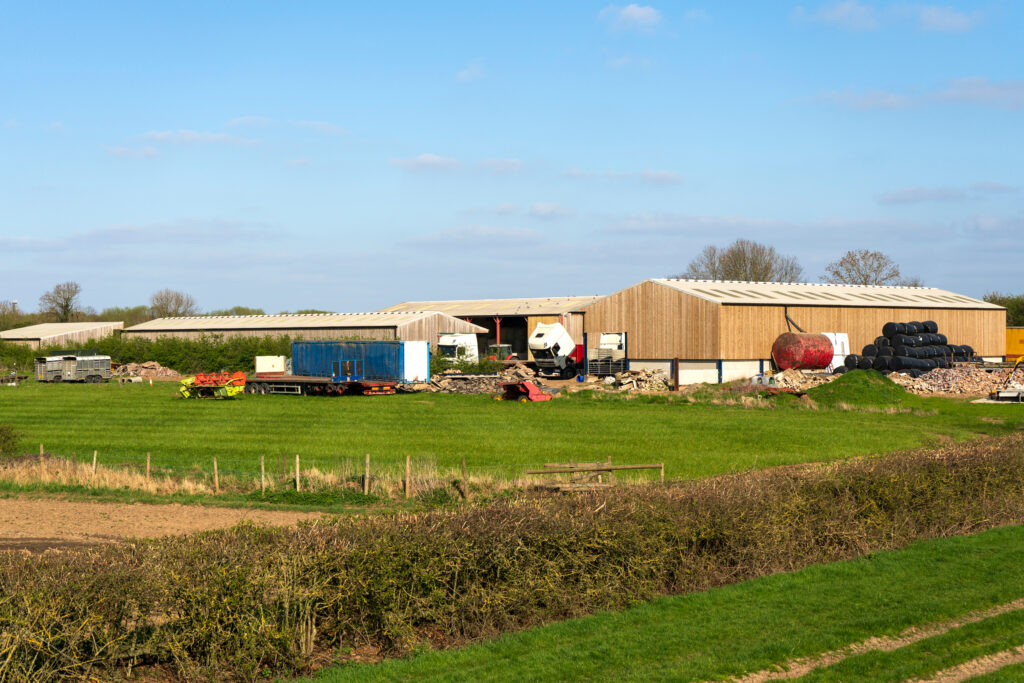
No two farms are identical, even when they are located within the same municipality. A credible agricultural land appraisal must account for the characteristics that make one property more productive, accessible, versatile, or marketable than another.
Soil Capability and Productive Potential
Soil type, texture, depth, drainage, topography, erosion risk, and agricultural capability can all influence value. Different areas of Alberta have distinct soil landscapes, agricultural regions, environmental conditions, and productive capabilities.
Higher-quality cultivated land may attract different buyers and pricing than marginal pasture, heavily treed land, or acreage with significant physical limitations. Agriculture appraisers consider not just the total parcel size, but how much of the property is practically usable for its intended agricultural purpose.
Water Access, Irrigation, and Drainage
Reliable water can be a significant value driver. Depending on the operation, an appraiser may review:
- Wells and dugouts
- Irrigation infrastructure
- Water licences or rights
- Natural water sources
- Drainage patterns
- Water quality and reliability
- Livestock watering systems
For irrigated land or intensive agricultural operations, the availability and dependability of water may materially affect productivity and buyer demand. Poor drainage, seasonal flooding, or an uncertain water supply can create limitations that must also be reflected in the valuation.
Location and Property Access
Proximity to highways, grain elevators, processors, feedlots, auction markets, urban centres, and agricultural services may affect operating efficiency and market appeal. Road quality and year-round access can also matter, particularly when moving large equipment, livestock, feed, crops, or commercial deliveries.
Location can create competing influences. A farm near a growing community may experience development pressure or speculative interest while also facing fragmentation, increased traffic, land-use restrictions, or conflicts with surrounding development. Effective agriculture appraisals examine the property within its actual regional market rather than applying a general province-wide price per acre.
Farm Buildings and Site Improvements
Farmhouses, barns, shops, machine sheds, grain storage, corrals, fencing, livestock facilities, greenhouses, and processing improvements can add value, but not necessarily according to their original construction cost.
An appraiser considers several factors, including:
- Age and physical condition
- Quality of construction
- Maintenance history
- Remaining economic life
- Suitability for modern agricultural use
- Functional or physical obsolescence
- Appeal to likely buyers
A highly specialized building may be extremely useful to one operator but less attractive to the broader market. This is one reason an agricultural property appraisal requires both property knowledge and agricultural market experience.
Market Activity and Economic Conditions
Recent comparable sales are important, but they must be interpreted carefully. Parcel size, soil class, location, improvements, financing conditions, commodity markets, and buyer motivations can differ significantly from one transaction to another.
Agricultural real estate transfer information can provide useful context on the value, acreage, and number of agricultural land transactions within a region. However, agriculture appraisers must still determine whether individual sales are genuinely comparable.
A sale involving irrigated cropland with modern grain storage cannot automatically be compared with unimproved pasture simply because both properties are located in the same county.
When Farmers and Landowners Need an Agricultural Property Appraisal

Many owners first think about agriculture appraisals when preparing to sell. However, professional valuation can be useful throughout the ownership lifecycle.
Buying or Selling Farmland
A professional farm appraisal helps buyers and sellers enter negotiations with a more informed understanding of market value.
For sellers, an appraisal may reduce the risk of accepting less than the property is reasonably worth. For buyers, it can provide additional confidence that the purchase price is supported by the property’s characteristics and available market evidence.
Mortgage Financing or Refinancing
Lenders may require an independent opinion of value before approving, renewing, or restructuring agricultural financing. The appraisal provides information about the real estate serving as security for the loan.
When significant buildings, specialized infrastructure, or multiple parcels are involved, the lender may require a more detailed analysis than a basic land-value estimate.
Estate and Farm Succession Planning
Transferring a farm between generations can involve financial, legal, tax, and emotional considerations. An agricultural property appraisal can support discussions about equitable distribution, ownership restructuring, tax planning, and the value assigned to land being transferred.
A professional valuation does not make succession decisions for the family. It does, however, provide a common factual foundation from which those decisions can be made.
Partnership Changes
A defensible value may be needed when a partner enters, exits, retires, or restructures an ownership interest. Without an independent appraisal, disagreements may arise over the value of land, buildings, and improvements.
Taxation and Accounting
A professional property appraisal may be required to support certain tax, accounting, or financial reporting decisions. The intended use should be discussed with the appraiser before the assignment begins so the report can be prepared appropriately.
Divorce, Litigation, or Dispute Resolution
When agricultural property value is contested, independent agriculture appraisals can provide an objective foundation for negotiations, mediation, arbitration, or legal proceedings.
Expropriation and Partial Takings
Roads, utilities, pipelines, transmission lines, drainage projects, or other developments may affect part of an agricultural property. In these situations, the analysis may need to consider both the land being acquired and the effect of the project on the remaining property.
Assessment Appeals
A professional appraisal may help a landowner determine whether further review of an assessed value is appropriate. Market value, assessed value, and agricultural use value are not always interchangeable, so the purpose of the valuation must be clearly defined.
Timeliness also matters. Agriculture appraisals provide an opinion of value as of a specific effective date. If major improvements have been added, land use has changed, market conditions have shifted, or several years have passed, an older report may no longer reflect the property’s current circumstances.
What Agriculture Appraisers Examine During a Farm Appraisal
A professional farm appraisal generally begins with defining the assignment. The appraiser identifies the intended use, intended users, property interest being valued, effective date, scope of work, and applicable definition of value.
The process may then include several stages:
Property and Document Review
The appraiser may review documentation such as:
- Legal descriptions and title information
- Site plans and surveys
- Property tax records
- Building dimensions and construction details
- Agricultural leases
- Water or irrigation information
- Environmental reports
- Crop or land-use information
- Easements and rights-of-way
Providing complete documentation can help the appraiser understand the property and reduce the likelihood of important features being overlooked.
Physical Property Inspection
The inspection helps the appraiser understand land use, access, topography, improvements, property condition, surrounding development, and features that may not be apparent in public records.
The appraiser may observe cultivated areas, pasture, bush, water features, farm buildings, fencing, access points, drainage, and the relationship between different parts of the property.
Agricultural Market Research
Agriculture appraisers research relevant sales, listings, rents, market trends, and other supporting evidence. The goal is not simply to locate the nearest transaction. It is to determine which properties meaningfully compete with the subject and how differences in location, productivity, size, access, improvements, and market conditions affect value.
Valuation Analysis
Depending on the property and intended use, the appraiser may consider one or more recognized valuation methods:
- Direct comparison approach: Compares the property with relevant agricultural sales and adjusts for important differences.
- Income approach: Analyzes the property’s income-producing ability using relevant rental or operating evidence.
- Cost approach: Considers land value and the depreciated value of buildings or other improvements.
More than one approach may be appropriate for complex agricultural properties.
Reconciliation and Reporting
The appraiser weighs the available evidence, reconciles the results, and explains the reasoning behind the final opinion of value. Strong agriculture appraisals do not hide complexity behind a single price-per-acre figure. They explain how the property’s characteristics, improvements, market position, and limitations influenced the conclusion.
Choosing a Qualified Agriculture Appraiser in Alberta
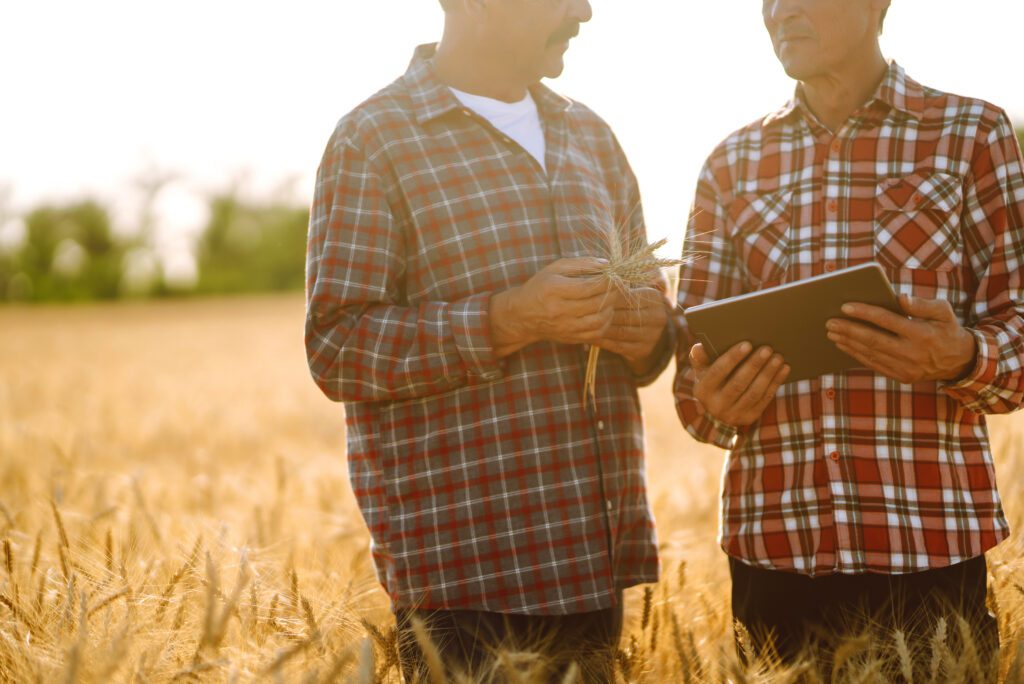
The quality of an appraisal depends heavily on the appraiser’s qualifications, experience, research, and familiarity with the relevant market.
Before hiring an appraiser, consider asking:
- Does the appraiser hold a recognized professional designation?
- Do they have experience with agricultural land?
- Have they appraised this particular type of farming operation?
- Are they familiar with the municipality and regional market?
- Can they evaluate specialized farm improvements?
- Can they coordinate a separate machinery and equipment valuation when necessary?
- Will the report comply with recognized Canadian professional standards?
- Do they have experience with the intended purpose of the appraisal?
- Can they clearly explain the required documents, timeline, scope, and fee?
An appraiser who regularly completes agriculture appraisals will understand that a grain operation, cattle ranch, greenhouse, winery, hobby farm, and intensive livestock facility cannot be analyzed in exactly the same way. Each property requires a scope of work suited to its assets, market, and intended use.
Property DNA Group brings decades of experience in property appraisals, land appraisals, and equipment valuations across Western Canada. Its team provides farm appraisals for purposes including sales, purchases, mortgage financing, estate planning, taxation, assessment appeals, litigation, relocation, expropriation, and partial takings.
Make Your Next Agricultural Property Decision with Confidence
A farm may carry personal history, operational value, and future potential, but major financial and ownership decisions still require objective evidence.
Professional agriculture appraisals bring together land characteristics, site improvements, agricultural utility, and relevant market data to produce a clear and supportable opinion of value. The result can help farmers, families, purchasers, lenders, accountants, and legal professionals make decisions using reliable information rather than assumptions.
Whether you require an agriculture appraisal in Alberta, an agricultural property appraisal, a land appraisal, or a farm appraisal for a specific financial or legal purpose, working with experienced agriculture appraisers can help you proceed with greater confidence. Contact Property DNA Group to discuss your agricultural property, the intended purpose of the appraisal, and the reporting required for your next decision.