Equipment Appraisal Services: Heavy, Farm & Industrial Machinery Appraisals
When your business relies on machinery, vehicles, tools, or specialized equipment, knowing what those assets are worth can make a major difference. Whether you are arranging financing, preparing to sell, reviewing insurance coverage, planning a succession, or resolving a business dispute, a professional equipment appraisal gives you a clear, well-supported understanding of value.
Equipment is often one of the largest investments a business makes. Yet its value can change quickly based on age, condition, maintenance history, market demand, technological changes, and the cost of replacement. A reliable equipment appraisal looks beyond a quick online estimate or a number pulled from an old purchase invoice. It considers the asset itself, its working condition, and the market in which it would realistically be bought or sold. At Property DNA Group, equipment appraisal services help owners, lenders, legal professionals, accountants, and business decision-makers gain the information they need to move forward with confidence.
Why a Professional Equipment Appraisal Matters
A professional equipment appraisal is more than a list of assets with estimated prices beside them. It is a structured valuation process designed to establish a credible opinion of value for a defined purpose and date. The purpose matters. The value of a piece of machinery may look different depending on whether it is being assessed for:
- A business sale or acquisition
- Financing or collateral security
- Insurance coverage
- Estate planning or succession
- Shareholder, partnership, or divorce matters
- Litigation or dispute resolution
- Asset management and internal planning
- Tax, accounting, or financial reporting requirements
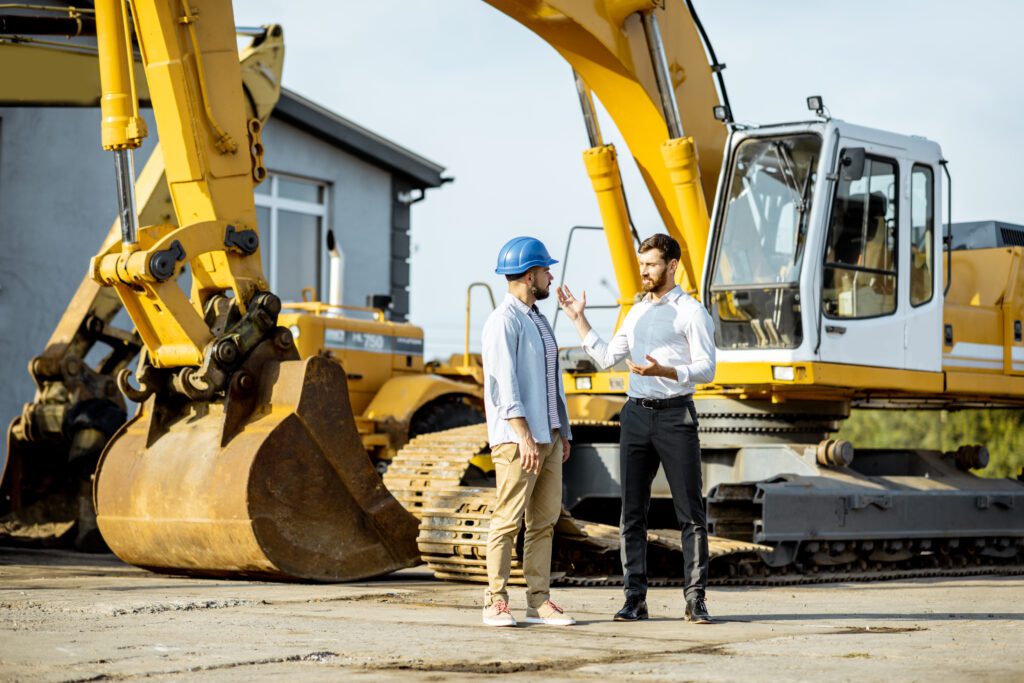
For example, a contractor preparing to sell a well-maintained excavator as part of an ongoing operation may need a different value conclusion than a lender reviewing that same excavator as loan security. A proper equipment appraisal starts by understanding the assignment before the appraiser begins the research. A detailed report can also create a valuable record of your equipment at a specific point in time. This is especially helpful when business circumstances change quickly or when a decision needs to be supported months, or even years, later.
Heavy Equipment Appraisal for Contractors and Fleet Owners
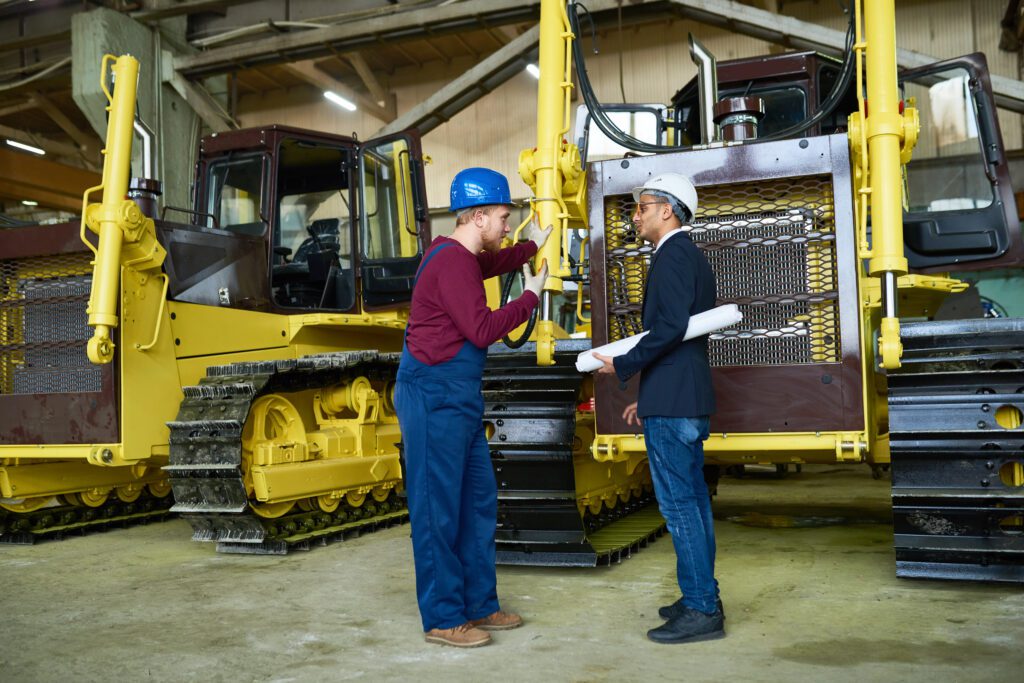
Heavy equipment is built to work hard, but that does not mean every machine holds value in the same way. A heavy equipment appraisal may involve construction equipment, transportation fleets, earthmoving machinery, mining equipment, forestry equipment, oilfield assets, trailers, attachments, and specialized tools.
For contractors and fleet owners, an accurate equipment appraisal can help answer practical questions:
- What is our current fleet worth?
- Are we adequately insured?
- What assets can support financing?
- Is it time to repair, replace, or sell a machine?
- What should be included in a business valuation or sale?
- How should we divide equipment between partners or entities?
Hours of use matter, but they are not the full story. A machine with high operating hours may still carry strong market value when it has been maintained well, includes desirable attachments, and remains in demand. On the other hand, low-hour equipment may be worth less than expected if it has been sitting unused, requires repairs, or has become difficult to service.
A heavy equipment appraisal considers factors such as make, model, serial number, age, configuration, condition, maintenance records, operating hours, equipment attachments, local and broader market activity, and comparable sales data. The goal is to develop a value conclusion that reflects the asset’s real-world position in the market, not simply its original purchase price.
Farm Machinery Appraisal for Agricultural Operations
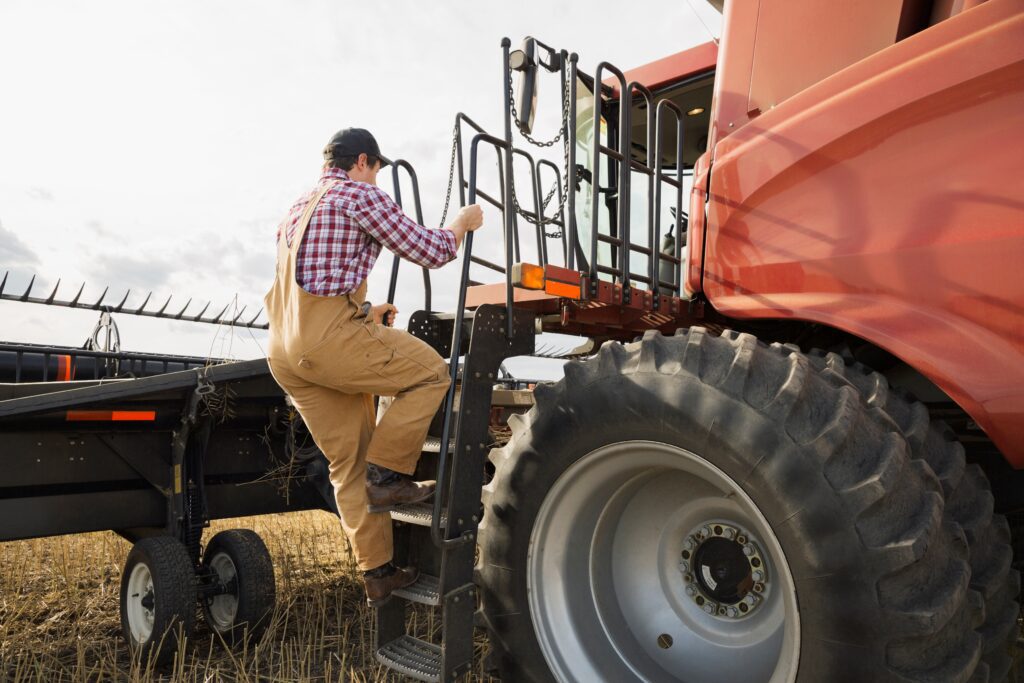
Agricultural equipment is deeply connected to the way an operation functions. Tractors, combines, sprayers, grain handling systems, irrigation equipment, livestock equipment, balers, trailers, seeding equipment, and specialized implements all play a role in keeping a farm productive. A farm machinery appraisal can be useful when purchasing or selling a farm, transitioning ownership to the next generation, securing lending, settling an estate, or reviewing insurance needs. In many cases, farm equipment has been acquired over decades, which can make it difficult to maintain a clear and current picture of its total value. A professional equipment appraisal brings order to that complexity. It documents the assets, identifies relevant details, and evaluates how condition, age, upgrades, use, and market demand affect value.
Farm machinery can be particularly sensitive to timing. Seasonal demand, commodity conditions, regional farming practices, and the availability of new equipment can all influence the market. A machinery & equipment appraiser understands that a piece of equipment is not just a line item. It is a working asset that may be essential to the productivity and future of the operation. For farm families and business owners, a farm machinery appraisal can help make difficult conversations more objective. Rather than relying on assumptions or personal estimates, everyone involved can work from a professional valuation foundation.
Industrial Machinery Appraisal for Business Assets
Industrial machinery often represents a significant portion of a company’s operating value. Manufacturing plants, processing facilities, warehouses, fabrication shops, food production operations, and resource-based businesses may depend on a wide range of equipment that is highly specialized and difficult to value accurately without industry knowledge. An industrial machinery appraisal may include production lines, plant equipment, machine tools, fabrication equipment, processing systems, packaging lines, material handling equipment, compressors, generators, industrial vehicles, and other fixed assets.
The value of industrial machinery is shaped by more than whether it still turns on. A thorough equipment appraisal may consider:
- Capacity and output
- Installation and integration within a facility
- Physical condition and remaining useful life
- Technological relevance
- Availability of replacement parts
- Demand within the secondary market
- Removal, transportation, and reinstallation considerations
- Whether the equipment is best valued individually or as part of an operating system
This distinction is important. A complete production line may have greater value when it remains in place and operational than when it is removed and sold piece by piece. Conversely, equipment with a narrow use or outdated technology may have limited demand outside its current facility. Working with a machinery & equipment appraiser can help businesses understand these differences before making major financial or operational decisions.
What Machinery Appraisal Companies Evaluate

Not all equipment is straightforward to value, and not all appraisal assignments require the same depth of analysis. Experienced machinery appraisal companies tailor the scope of work to the type of assets, the purpose of the appraisal, and the needs of the intended users.
During an equipment appraisal, the appraiser may review and document:
Asset identification
Make, model, serial number, year, specifications, and included attachments.
Condition and maintenance
Observable condition, service history, repairs, upgrades, and operational status.
Market research
Comparable sales, dealer listings, auction activity, industry demand, and broader market conditions.
Value premise
The definition of value needed for the assignment, such as fair market value or a liquidation-related value.
Report requirements
The level of detail required by lenders, legal counsel, accountants, insurers, or other intended users.
A well-prepared equipment appraisal should be clear about what was valued, the effective date of value, the purpose of the report, the scope of research, and the analysis supporting the final conclusion.
How to Choose a Certified Equipment Appraiser
Choosing the right appraiser is about more than finding someone who can inspect machinery. You need a professional who understands both valuation methodology and the specific assets involved. When comparing machinery appraisal companies, ask questions such as:
- Does the appraiser have experience with our type of equipment?
- What professional qualifications or designations do they hold?
- Have they completed similar assignments for financing, legal, estate, or business-sale purposes?
- What information will they need from us?
- Will the report explain the methodology and support the value conclusion?
- Can they work within the timeline required for our transaction or decision?
- Do they understand the regional market as well as broader equipment trends?
A certified equipment appraiser should be prepared to explain the process clearly. They should also ask thoughtful questions about why the appraisal is needed, who will rely on it, and what type of value is appropriate for the situation. The strongest appraisal relationships are built on clarity from the beginning. When the purpose is well defined and the equipment records are organized, the final equipment appraisal is better positioned to support meaningful business decisions.
Bring Clarity to Your Equipment Value With Property DNA
Equipment can be one of your most valuable business assets, but value is not always obvious from the shop floor, field, yard, or fleet list. A professional equipment appraisal gives you a more complete picture, grounded in asset details, market evidence, and the purpose of your decision.
Whether you require a heavy equipment appraisal, farm machinery appraisal, or industrial machinery appraisal, Property DNA Group can help you understand the value behind the assets that keep your business moving. Reach out to discuss your equipment appraisal services needs and take the guesswork out of your next important decision.