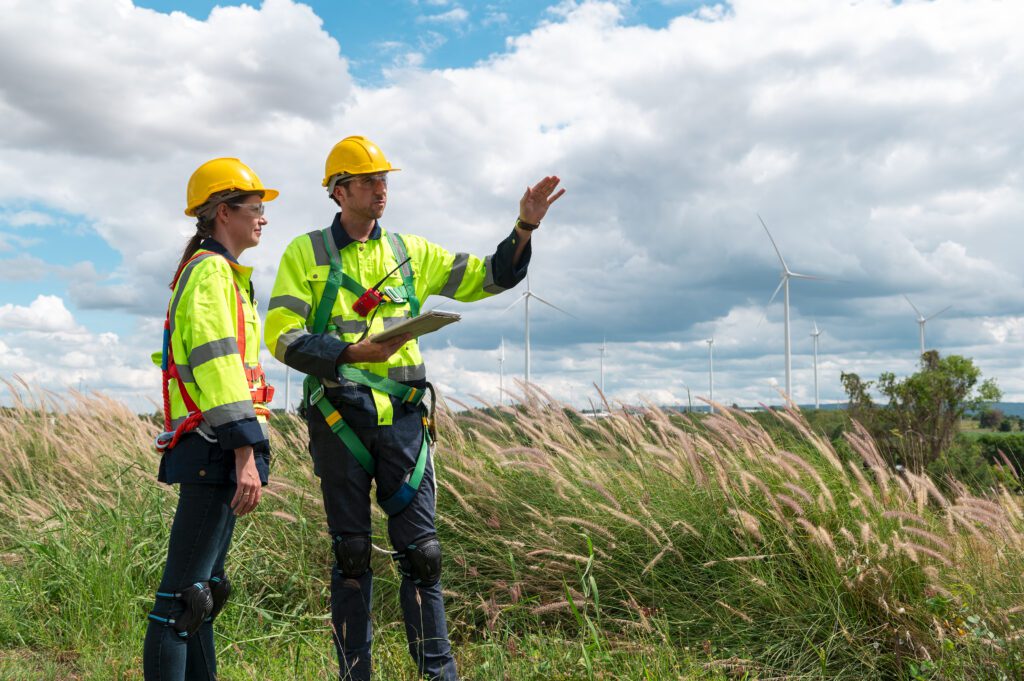
When it comes to commercial real estate in Alberta, due diligence goes far beyond financials and location. Environmental risk plays a major role in property value, liability, and long-term investment success. That’s where a Phase 1 Environmental Site Assesment becomes essential. Whether you’re a buyer, lender, or investor, understanding how a phase 1 environmental site assessment Alberta works can help you avoid costly surprises and make informed decisions. This guide breaks down the process, explains what’s included, and outlines why it matters in today’s market.
Understanding the Purpose of a Phase 1 Environmental Site Assessment in Alberta
A Phase 1 ESA is a non-intrusive environmental investigation conducted to identify potential or existing contamination on a property. It’s often the first step in environmental due diligence and is designed to uncover risks before a transaction is finalized. Unlike more invasive testing, a Phase 1 ESA does not involve soil or groundwater sampling. Instead, it focuses on reviewing historical and current property uses to identify potential environmental concerns.
A typical Phase 1 ESA includes:
- A detailed review of historical records and land use
- Analysis of aerial photographs and fire insurance maps
- Evaluation of regulatory databases
- A site inspection
- Interviews with property owners or occupants
The goal of a Phase 1 ESA is to identify recognized environmental conditions (RECs). These are indicators that contamination may be present or likely based on past activities. For anyone involved in commercial property transactions in Alberta, completing an environmental site assessment is a critical step in protecting both financial and legal interests. Beyond simply identifying risks, a Phase 1 ESA also provides context around how a property has evolved over time. For example, a site that was once used for industrial storage, fuel handling, or manufacturing may carry a higher risk profile than one with a consistent residential or office use history. Even neighbouring properties can influence findings, as contamination can migrate across property lines.
Another important aspect of a Phase 1 ESA is that it aligns with industry standards such as ASTM guidelines, which are widely recognized by lenders, insurers, and regulatory bodies in Canada and the United States. This consistency ensures that the assessment is credible, defensible, and suitable for supporting real estate transactions or financing approvals. Ultimately, the value of a Phase 1 ESA lies in its ability to surface issues early. It gives buyers the opportunity to renegotiate, request further testing, or walk away if necessary. For lenders and investors, it provides confidence that environmental risks have been properly evaluated before capital is committed.
Why Commercial Property Buyers and Lenders Rely on a Phase 1 ESA
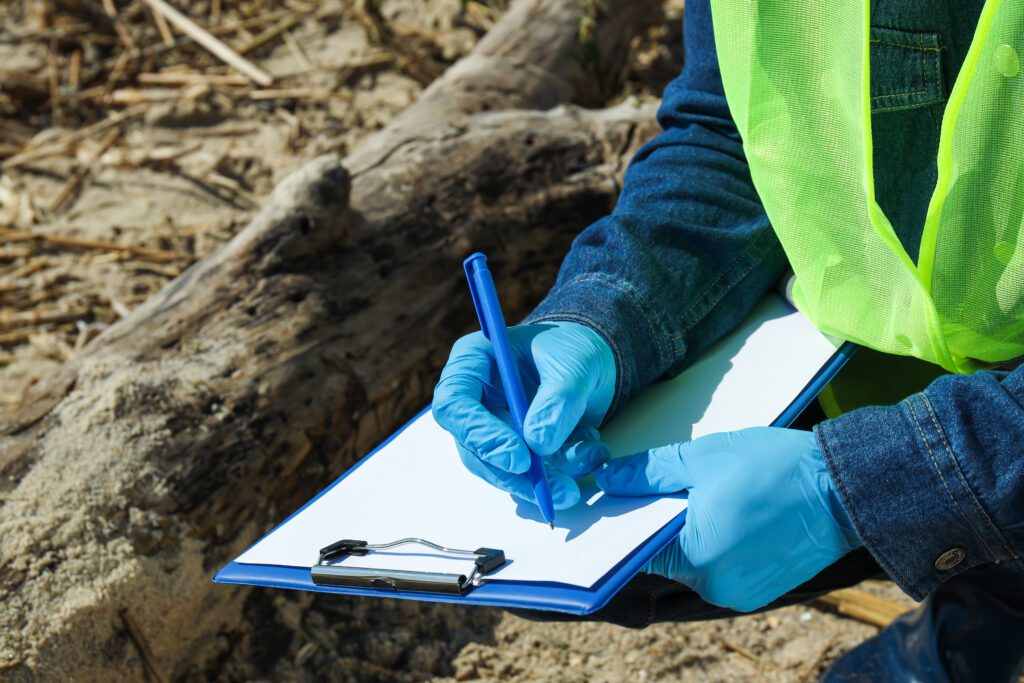
Environmental liability can transfer with property ownership, making it a serious concern for buyers and lenders alike. A Phase 1 ESA helps mitigate that risk by uncovering issues before they become your responsibility. For buyers, a Phase 1 ESA provides clarity by ensuring that the land you’re purchasing doesn’t carry hidden environmental liabilities that could lead to expensive remediation down the line. For lenders, a Phase 1 ESA is often a requirement before financing is approved. Financial institutions want assurance that the property used as collateral does not pose environmental risks that could impact its value.
Key reasons stakeholders request a phase 1 environmental site assessment include:
- Risk management to identify contamination early
- Regulatory compliance to meet due diligence standards
- Financial protection from unexpected cleanup costs
- Transaction confidence to proceed with clarity
In many cases, a Phase 1 ESA can be the difference between moving forward with a deal or stepping back from a risky investment.
Phase 1 ESA Checklist: What’s Included in the Assessment

A well-executed Phase 1 ESA follows a structured process to ensure no critical detail is overlooked. While each property is unique, most assessments follow a standardized phase 1 ESA checklist.
Here’s what you can expect during an Alberta Phase 1 Environmental Site Assessment:
Records Review
This step involves gathering historical data about the property and surrounding area. It may include:
- Previous environmental reports
- Land title records
- Historical land use documents
- Government databases
Site Inspection
An environmental professional will visit the property to visually assess current conditions. During this stage of the ESA, they’ll look for:
- Signs of contamination such as staining, odours, or distressed vegetation
- Storage tanks or hazardous materials
- Drainage patterns and nearby environmental risks
Interviews
Conversations with current or past property owners, tenants, or local authorities provide additional context. These insights help to validate findings from the phase 1 environmental site assessment.
Regulatory Review
Environmental databases are reviewed to identify any reported spills, violations, or permits associated with the site.
Report Preparation
The final report summarizes findings, identifies any recognized environmental conditions, and provides recommendations. If concerns are found, the ESA may lead to further investigation. Following a thorough phase 1 ESA checklist ensures that buyers and investors have a complete picture of environmental risks before moving forward.
Phase 1 vs Phase 2 ESA: When Further Investigation Is Needed

Understanding the difference between Phase 1 vs Phase 2 ESA is essential when evaluating environmental risk. In Alberta, A Phase 1 ESA is observational and research-based. It identifies the potential for contamination but does not confirm it. If the phase 1 ESA Alberta identifies recognized environmental conditions, a Phase 2 ESA may be required. This next phase involves:
- Soil sampling
- Groundwater testing
- Laboratory analysis
The purpose of Phase 2 is to confirm whether contamination exists and determine its extent. Knowing how the Phase 1 and Phase 2 ESA differ allows buyers, lenders, and investors to plan next steps with confidence. While not every property will require additional testing, the results of Phase 1 ESA will guide that decision. Skipping this process can lead to serious financial and legal consequences, especially if contamination is discovered after a transaction is complete.
How a Phase 1 ESA Supports Smarter Commercial Property Decisions in Alberta
At its core, the Phase 1 ESA is about making informed decisions. It provides valuable insights that go beyond surface-level property evaluations. For investors, a phase 1 environmental site assessment helps assess long-term viability. It can influence pricing, negotiation strategies, and future development plans. For developers, a Phase 1 ESA identifies potential challenges early in the planning process. This allows for better budgeting and more accurate timelines. For lenders, a Phase 1 ESA protects the value of the asset by ensuring it is environmentally sound.
Incorporating a Phase 1 ESA into your due diligence process leads to:
- More accurate property valuations
- Reduced risk exposure
- Stronger negotiation positions
- Greater confidence in decision-making
Final Thoughts
Environmental due diligence is a critical part of any commercial real estate transaction. A phase 1 ESA provides the insights needed to avoid hidden risks and move forward with clarity. By following a structured ESA checklist and understanding the role of a phase 1 environmental site assessment in Alberta, buyers, lenders, and investors can make smarter, more confident decisions. If you’re planning a commercial property transaction, working with an experienced team can make all the difference. Property DNA Group offers detailed and reliable phase 1 ESA services tailored to the unique demands of Alberta’s commercial landscape. Get in touch with Property DNA Group today to schedule your assessment and take the next step with confidence.